
How to Prepare Soil Before Planting
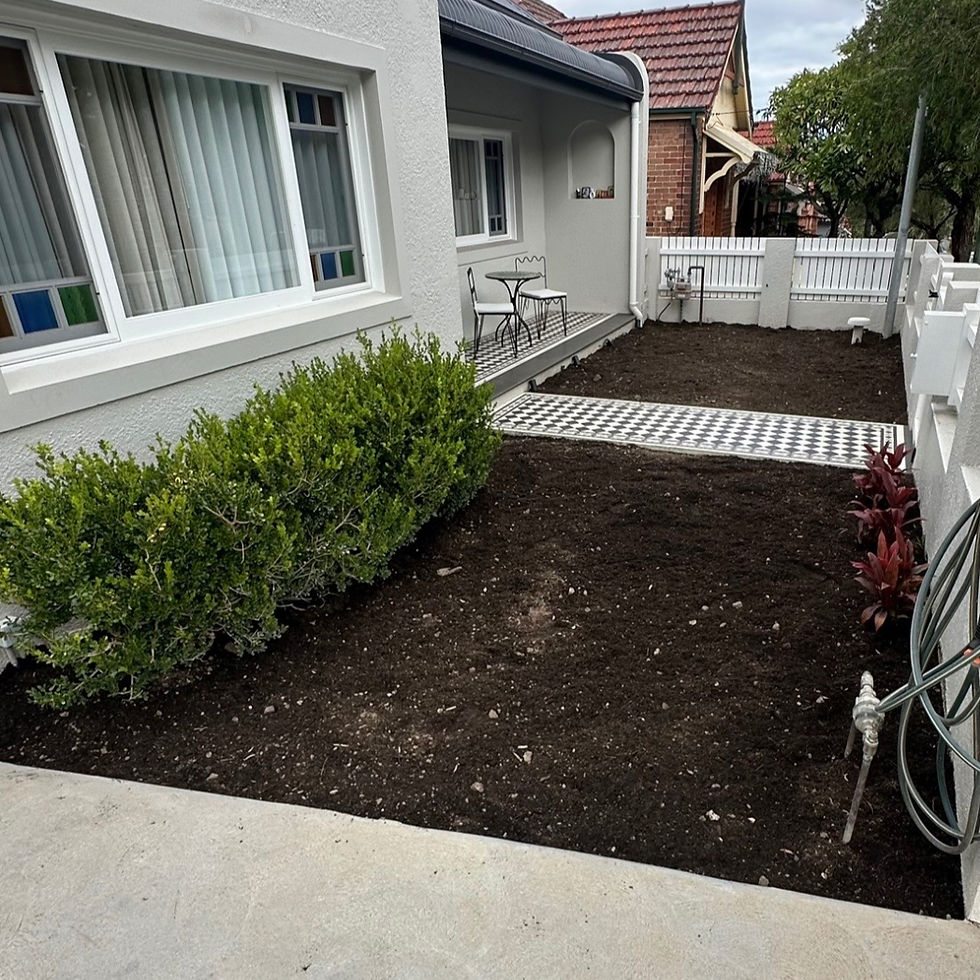
Everything you need to know about getting your garden bed ready, from the ground up.
A COMPLETE GUIDE FOR HOME GARDENERS
Good soil is the foundation of a thriving garden. You can have the best seeds, the perfect amount of sunlight, and a watering schedule you're proud of, but if your soil isn't right, your plants will let you know about it. The good news is that preparing soil well doesn't need to be complicated. With a little know-how and some elbow grease, almost any soil can be transformed into something your plants will love.
Why Soil Preparation Matters
Think of your garden bed as a home for your plants. Just like you'd want a home that's comfortable, well stocked, and safe to live in, your plants need a growing environment that offers warmth, nutrients, good drainage, and room to breathe. Soil that hasn't been prepared properly can be compacted, nutrient poor, or full of weed seeds just waiting to sprout.
Taking the time to prepare properly before a single seed goes in the ground pays dividends all season long. Healthier roots, better moisture retention, fewer weeds, and stronger, more productive plants are all rewards of doing this step well.
Step One: Clear the Area
Before anything else, you need a clean slate. Remove any existing plants, weeds, grass, or debris from the bed. Pull weeds out by the root rather than just cutting them off at the surface. Left behind roots are very good at finding their way back.
If the area is covered in thick grass or persistent weeds, consider laying cardboard or several layers of newspaper over the ground for a few weeks before you start. This smothers what's underneath and begins to break down, adding organic matter to the soil at the same time. It's a technique called sheet mulching and it's wonderfully effective.
Good to Know
Avoid pulling weeds when the soil is soaking wet. You'll compact the ground and make the job harder. Wait until after rain when the soil is moist but not saturated, and weeds tend to come out roots and all far more easily.
Step Two: Test Your Soil
Before you start adding things to your soil, it really helps to know what you're working with. A basic soil test will tell you your soil's pH level and give you a sense of its nutrient content. You can pick up an inexpensive test kit from any garden centre, and they're very easy to use at home.
Most vegetables and flowers prefer a pH somewhere between 6.0 and 7.0, which is slightly acidic to neutral. If your pH is off, even a nutrient rich soil won't perform the way you hope, because plants can't absorb what they need when the chemistry isn't right.
pH below 6.0 means your soil is too acidic. Adding garden lime will raise the pH over time.
pH above 7.5 means your soil is too alkaline. Adding sulphur or well composted pine bark will bring it down.
pH between 6.0 and 7.0 is the sweet spot for most plants.
Very low nitrogen, phosphorus, or potassium readings suggest you'll need to add a balanced fertiliser or compost.
Know Your Soil Type
Soil isn't just "dirt." It comes in a range of textures and compositions, and each one behaves differently. Here's a look at the most common types you'll encounter in Australian gardens and how to work with each of them.
Clay Soil
Clay soil is heavy, sticky when wet, and sets like concrete when dry. It holds nutrients well but drains poorly, which can leave plant roots sitting in water and prone to rot. This is incredibly common in Sydney's Inner West & Western Suburbs.
To improve clay soil, work in generous amounts of coarse river sand, gypsum, and aged compost. Gypsum is particularly helpful because it breaks up clay particles without affecting your pH. Do this over a couple of seasons and you'll notice a real difference. Avoid working clay soil when it's very wet as this destroys its structure.
Sandy Soil
Sandy soil is the opposite problem. It drains quickly (sometimes too quickly), doesn't hold nutrients well, and dries out fast. You'll find this type of soil a lot in coastal areas such as the Eastern Suburbs, Northern Beaches & even some parts of Sydney CBD.
The fix is to add as much organic matter as you can. Compost and manure help bind sandy particles together and improve the soil's ability to hold both moisture and nutrients. Wetting agents can also help water penetrate properly, as sandy soil can sometimes repel water when it gets very dry.
Loamy Soil
Loam is what every gardener is working toward. It's a balanced mix of sand, silt, and clay with good drainage, great structure, and excellent nutrient holding ability. If you've got loamy soil, you're very lucky. Your main job is simply to maintain it with regular additions of compost and organic matter so it stays in great shape.
Step Three: Dig and Aerate
Once you know your soil type and have cleared the bed, it's time to dig. Loosening the soil to a depth of at least 30cm gives roots room to grow down rather than spreading sideways in search of nutrients. Use a garden fork or mattock to turn the soil over, breaking up any large clumps as you go.
If your soil is very compacted, a process called double digging can make a big difference. This involves removing the top layer of soil, loosening the layer below it, then returning the top layer. It's a workout, but for seriously compacted ground it works extremely well.
Good to Know
Try to avoid standing directly on your prepared garden bed. Compaction is one of the biggest enemies of healthy root growth, and even a few footsteps can undo a lot of your hard work. Lay a plank of wood across the bed if you need to reach the middle, as this spreads your weight more evenly.
Step Four: Add Organic Matter
This is the single most universally beneficial thing you can do for almost any type of soil. Organic matter improves drainage in heavy soils, improves water retention in sandy soils, feeds soil microorganisms, adds nutrients, and improves overall soil structure. It really is the answer to almost everything.
Work a layer of aged compost, manure (cow, sheep, or chicken all work well), or a combination of both through your soil. Aim for at least a 5 to 10cm layer dug through the top 20 to 30cm. If you're starting from scratch with poor soil, be generous. You can't really overdo compost.
Worm castings are another fantastic amendment if you have access to them. They're rich in nutrients and beneficial microbes and plants absolutely love them. Even a small amount mixed through the soil near your planting holes makes a noticeable difference.
Step Five: Consider a Fertiliser
Compost provides a slow, steady release of nutrients, but depending on what you're planning to grow, you may want to add a fertiliser too. A general purpose slow release fertiliser worked into the bed at this stage sets your plants up well for the season ahead.
If you've done a soil test and found a specific deficiency, use a targeted product. For example, potassium supports root development and fruiting, phosphorus encourages strong root growth, and nitrogen drives leafy green growth. Getting the balance right for what you're growing makes a real difference to your results.
Good to Know
If you're growing vegetables, a certified organic fertiliser such as blood and bone or pelletised chook manure is a great choice. It releases nutrients steadily, improves soil biology, and you don't have to worry about burning seedlings with too strong a mix.
Final Steps Before Planting
Once your soil is amended and ready, rake it level and let it settle for a day or two if you have the time. This gives any amendments a chance to start integrating and lets the soil temperature warm up slightly.
Just before planting, give the bed a gentle water so the soil is moist but not waterlogged. Planting into dry soil stresses seedlings immediately, while planting into waterlogged soil can cause young roots to rot before they even get going.
If you're not planting straight away, cover the prepared bed with a layer of mulch or a piece of shade cloth to protect the surface from drying out, crusting over, or being colonised by weeds. All that hard work deserves a little protection.
You're Ready to Grow
Preparing your soil properly is honestly one of the most satisfying parts of gardening. When you've got it right, you can feel it. The soil is loose, dark, and alive. And when your plants take off, growing strong and healthy from day one, you'll know exactly why it was worth the effort.
Happy gardening!
Comments